The Carrboro Film Fest: 20 Years of Celebrating Southern Independent Films
By Michael Melton
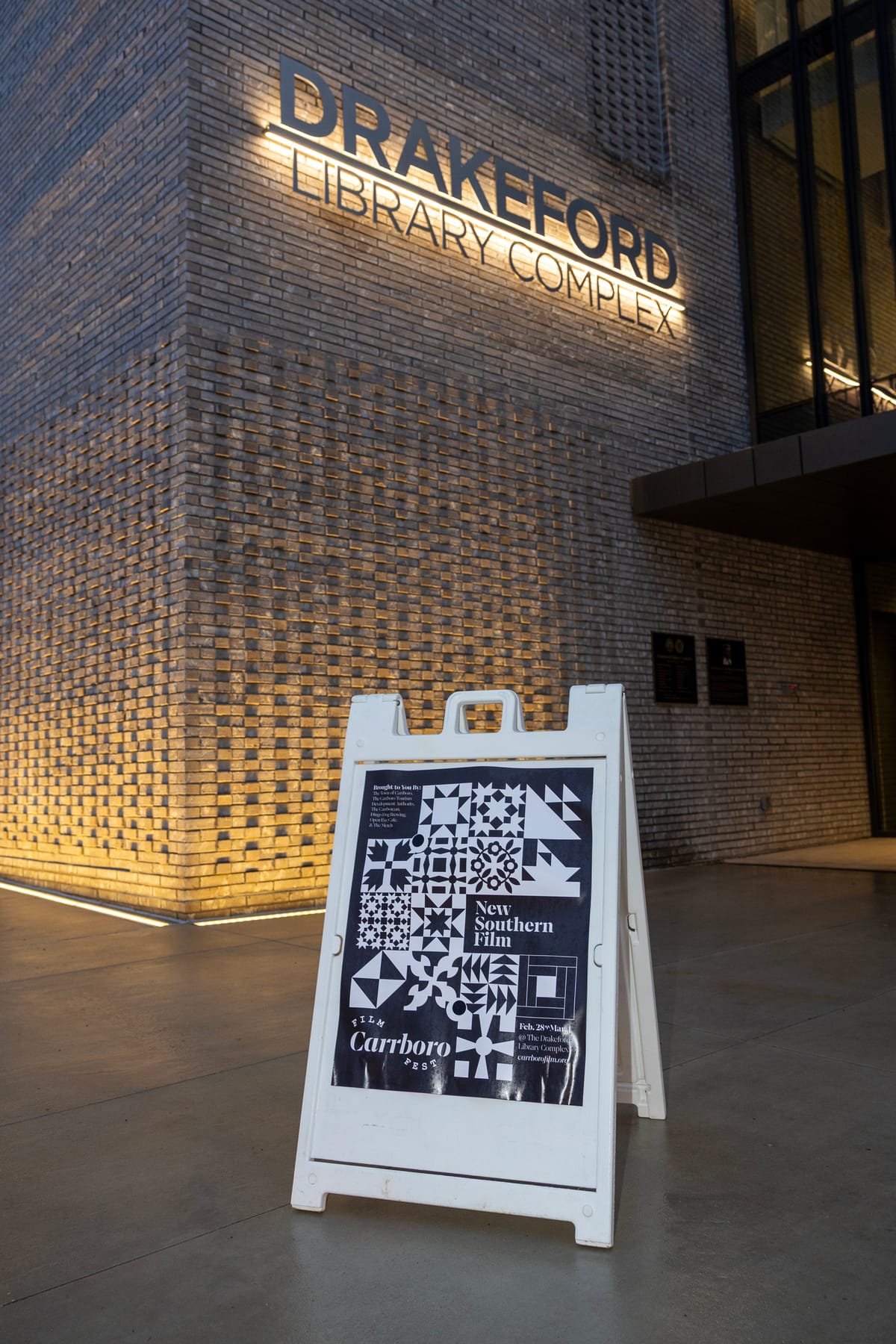
The Carrboro Film Fest, held Feb. 27 - March 1, delivered eye-opening stories, striking visuals, sharp humor and quiet moments that tugged at the heart. This was the 20th annual, and for the past two decades the festival has showcased independent film through a curated lineup featuring work by Southern filmmakers.
This year marked the first time the event was hosted at the Drakeford Library Complex in Carrboro, which Festival Director Bryan Reklis said was a major improvement in terms of theater space and audience comfort.
"It's a brand new building,” Reklis said, “It has been nice to really bring the public in; for a lot of people, it is their first time coming to Drakeford, so I think it's an announcement to Carrboro that we have this really cool space.”
The “Keystone Species” block featured documentaries about individuals and communities living life on their own terms. The films explored roller-skating culture in Louisville’s black community, the work of a male doula supporting a client through childbirth, and the life and art of North Carolina painter Nick Bragg, among others.
“One of the things I really appreciate about this festival is the insight it brings to the lives of people in these films,” James Metti, filmgoer, said.
The spirit of the block was captured in North Carolina painter and muralist Nick Bragg’s words at the end of his film:
“Life to me is a story — all of life is a story. So what’s the story?” Bragg said. “Follow what you can do; if you can cook, cook. If you can paint, paint. And if you like music, play. Don’t say, ‘Well, I used to paint’ — try it again. That is the point. Stay busy.”
Saturday evening featured three additional blocks. “Mile Markers” offered an eclectic mix, pairing more serious films like Born Secret Town, centered on the development of the atomic bomb in the 1930s and its lasting legacy, with lighter entries such as Dinner Party, a comedy following a man’s escalating panic after clogging a toilet at a friend’s gathering.
“Discoveries” showcased student short films, highlighting emerging regional voices and centering on characters confronting hard truths about the world and themselves.
The final block of Saturday, “Embrace the Echo,” leaned nostalgic and slightly spooky, with films bringing up the past — including Fantomet, a uniquely eerie black-and-white piece.
Sunday opened with an important two-film block. Hell in a Climate Haven examined the aftermath of Hurricane Helene in Western North Carolina, while The True Cost of Power, an investigative documentary, scrutinized Duke Energy’s climate record and explored the broader costs borne by communities and ratepayers.
Following the screenings, representatives from NC WARN — the watchdog organization that championed the film — joined director D.L. Anderson for an extended discussion, giving attendees the opportunity to engage with the issues and better understand what is at stake in North Carolina right now.
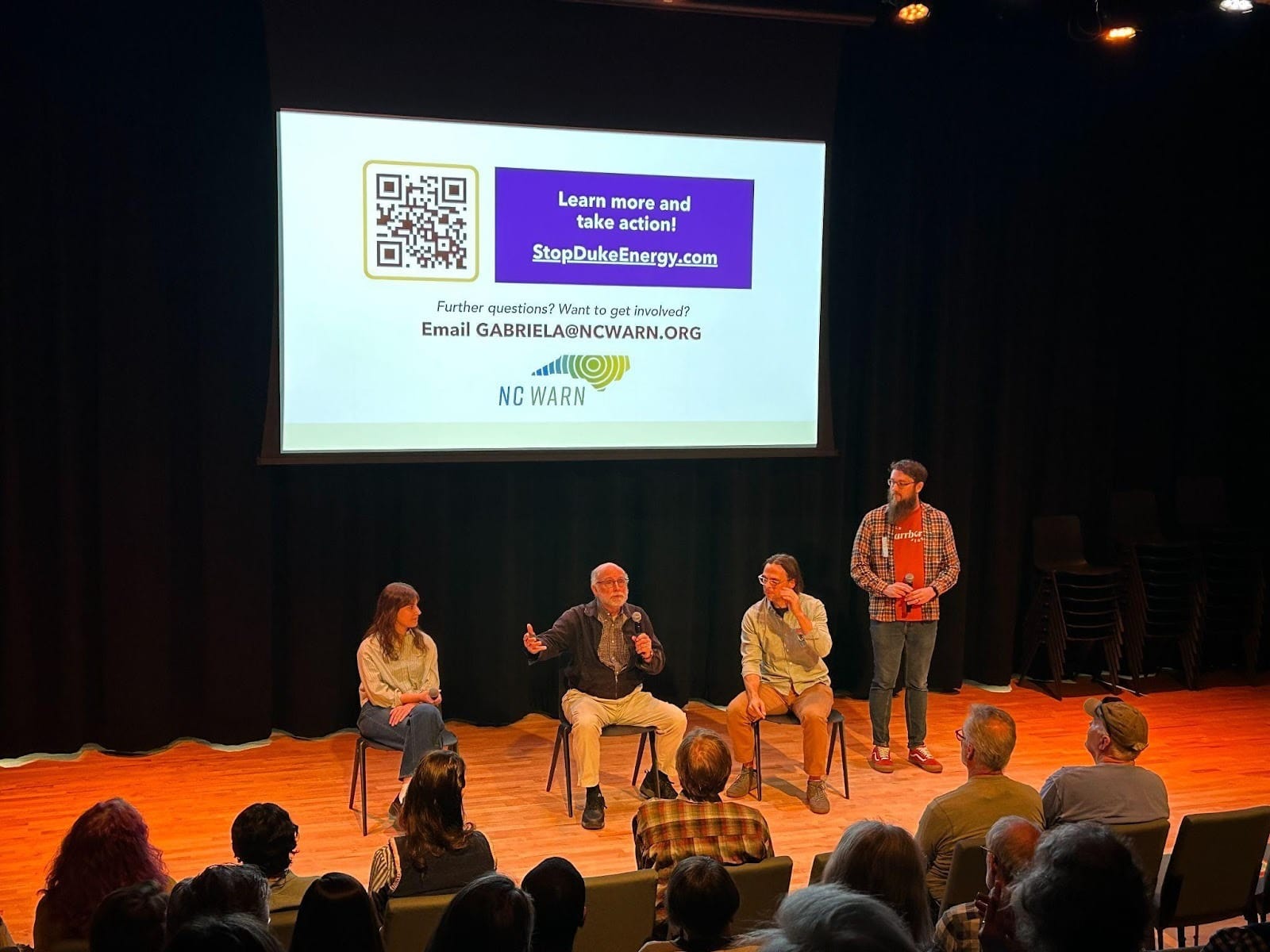
One of the most rewarding aspects of the Carrboro Film Fest is the chance to engage directly with filmmakers. Each block is followed by a panel discussion, and the lobby hums with conversation between artists and attendees.
“That's what makes the festival,” Barbara Brister, local resident and festival attendee, said. “It's such a great opportunity to hear from the people who made the films or that were in the films, and it's just so much more depth of experience than if you just saw the film.”
The festival concluded with a feature length documentary Minnie Evans: Draw or Die, which explored the life of Wilmington native and visionary artist, Minnie Evans, whose drawing and painting was inspired by her dreams and visions.
If you missed the festival this year, make plans for the next one January 29 - 31, 2027 — the opportunity for eye-opening films, meaningful conversations and good old-fashioned in-person fun is hard to match.