
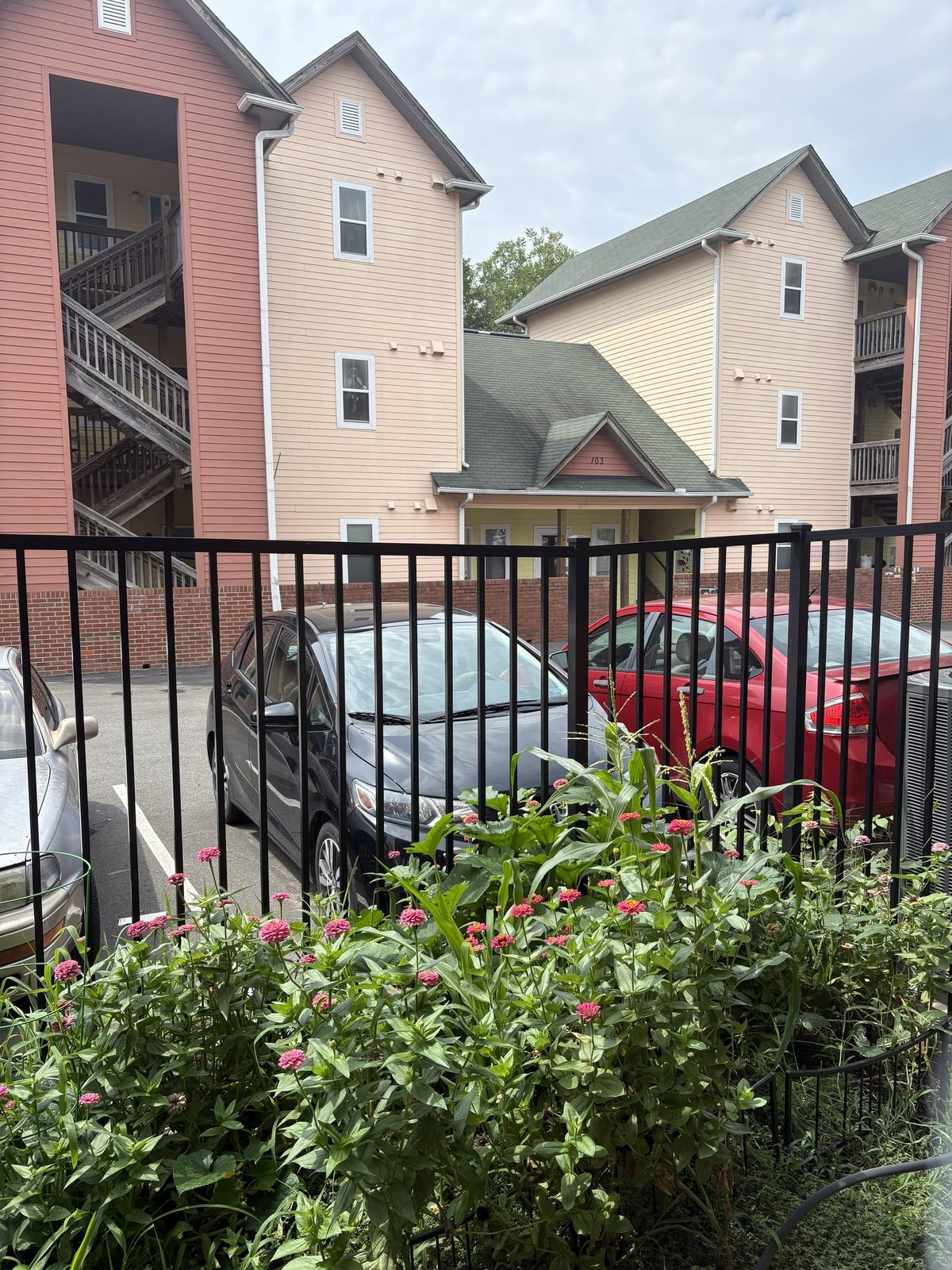
At Club Nova, the “condemned” notices are off the doors of the three apartments that had been deemed uninhabitable; the yellow police tape is off the complex’s mailboxes, although mail is still not being delivered to the building, and tenants are cautiously optimistic that the issues they had with Community Alternatives for Supportive Abodes (CASA), the building’s non-profit landlord, are in the process of being resolved.
“There was a time we thought those apartments would never reopen,” said Steve Furman, who had occupied one of the condemned units and had been forced to move, eventually landing in another apartment in the building at 103 W. Main St.
Furman and other tenants met with CASA representatives on Oct. 7 to discuss progress made on reopening the condemned units, fixing the mailboxes and laundry facilities and improving communication about eligibility recertification to rent the units. After the meeting, Furman and several other tenants felt CASA leadership had heard their demands. “We want to give them a chance to follow through,” Furman said.
CASA Interim CEO Dana Mangum thought the meeting went well: “From my standpoint the meeting was productive and positive as we continued to identify areas of enhanced communication,” she said.
Over the summer, Club Nova tenants formed a tenants association with the help of the Triangle Tenants Union to voice their dismay over what they saw as shoddy management of their apartment complex. The 24-unit, 3-story Club Nova apartment building opened in 2004 and some of the leaders of the tenants association have lived there since its inception. They said they have seen maintenance decline over the years, among other issues, and that CASA, until recently, had been unresponsive.
The apartments are separate from the Club Nova Clubhouse, which is an intentional community supporting people with serious mental illness. Some club members live in the apartments, which are next door to the Clubhouse.
After a tenants association meeting on Oct. 14, members vowed to keep the pressure and public eye on CASA to help ensure they follow through on their promises.
Since July, in addition to remediating the condemned apartments and getting the sign-off from town inspectors, CASA has been working with the US Postal Service to replace the entire mailbox module to conform to federal specifications so residents can again receive mail at their home address. CASA has indicated that the washers and dryers have been fixed and are working, but residents say they only work intermittently.
Mangum noted that CASA is refining communication protocols around vendor issues, recertification notices and rent payment since the mailboxes are still not available. After the Oct. 7 meeting with CASA, residents received flyers on their door listing two CASA point people for requests or questions. One resident who reached out to a CASA liaison says they have not received a response after two emails.
CASA has started to investigate potential water damage in the walls of individual units due to leakage around air conditioner units, tenants said, adding that drainage tubes have been installed to funnel any water dripping from the AC units away from the building.
“We seem to be making progress, albeit very slowly,” said David, a longtime tenant. Tenants are also concerned that if water damage or mold is found in other units, how – and for how long – residents will be relocated. “I want to be sure that I do not have to relocate permanently, and I want to receive assurances that I will not be displaced for long. Right now, that is one of my primary concerns,” David said.
Longtime Club Nova resident, Heather Nash, knows this uncertainty firsthand because earlier this fall, mold was discovered in her unit and she was told she needed to relocate. She has been waiting on CASA to allow her to relocate to the newly remediated unit across from her current residence, and is hopeful she will be moving soon. In the meantime, a GoFundMe account has been started to help Nash and her beloved cat, Willow, cover her moving expenses.
Communication is key, Mangum and tenants say, and they discussed holding regularly scheduled quarterly in-person meetings going forward, Mangum said. Mangum’s interim CEO status ends Oct. 31, but she said she plans “a comprehensive transition phase with the new candidate.”
In an interview on Sept. 23, Mangum and CASA’s Interim Chief Administrative Officer Cornelis Verkerk outlined some of the challenges they face in overseeing CASA’s 56 properties across the triangle.
“There's been a decrease in the federal funding over the last several years for permanent supportive housing, which is what CASA does – provides housing to people who are experiencing homelessness, living with a disability, people who are at the lowest income levels,” Verkerk said. “The expenses have gone up considerably and the availability of federal funding has diminished. It's very difficult to keep up with all the capital expenditures that you need to keep these properties up.”
The need for supportive housing also has skyrocketed, Verkerk said. Making sure each tenant is income-eligible for their unit and they meet other criteria, for instance if they are a veteran or disabled, is an administrative challenge, he said. CASA staff also has to navigate the various federal, county and municipal funding streams each tenant may receive to subsidize their rent.
“It gets very complicated but that's the only way that we can make these deals work to where we can provide housing where people are paying $200, $300 a month,” Verkerk said.
To fill the funding gaps, Mangum said fundraising and public donations are how they have managed in the past.
“It's not a new problem,” she said. ”It's something that we’ve constantly been doing for 34 years. It just gets harder when there's less federal funds, less state and local funds available.
“But that doesn't prevent us from looking at what we have internally and trying to maximize roles, and trying to ensure that people are adhering to our values and connecting with our residents,” Mangum said. “We don't always have the answer they want to hear, in the time frame that they want to have it done. But we can continue to improve on those communications, to be able to say this is what we can do today.”