Perspective: Carrboro’s Juneteenth Story at 250: We Speak Your Names
By: Patrice Y. Toney, Carrboro Resident
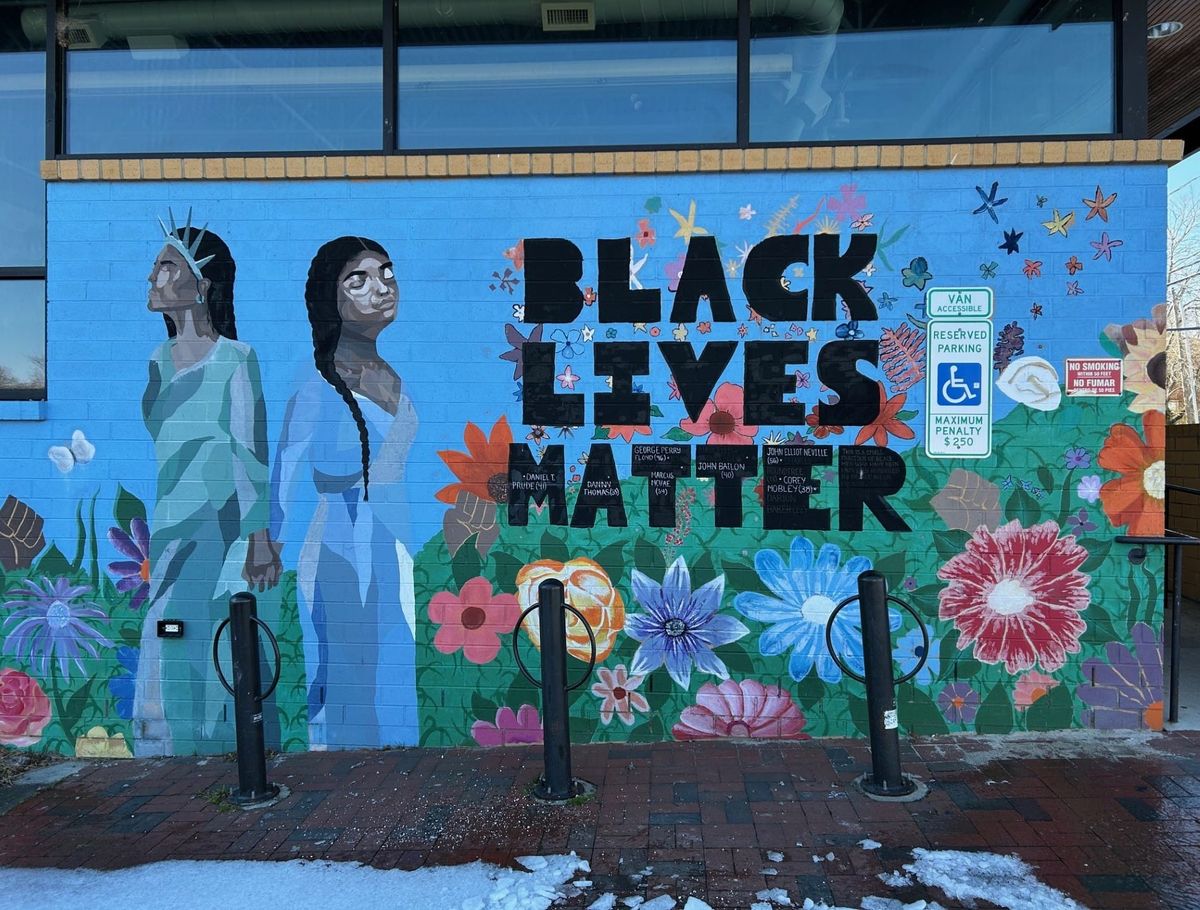
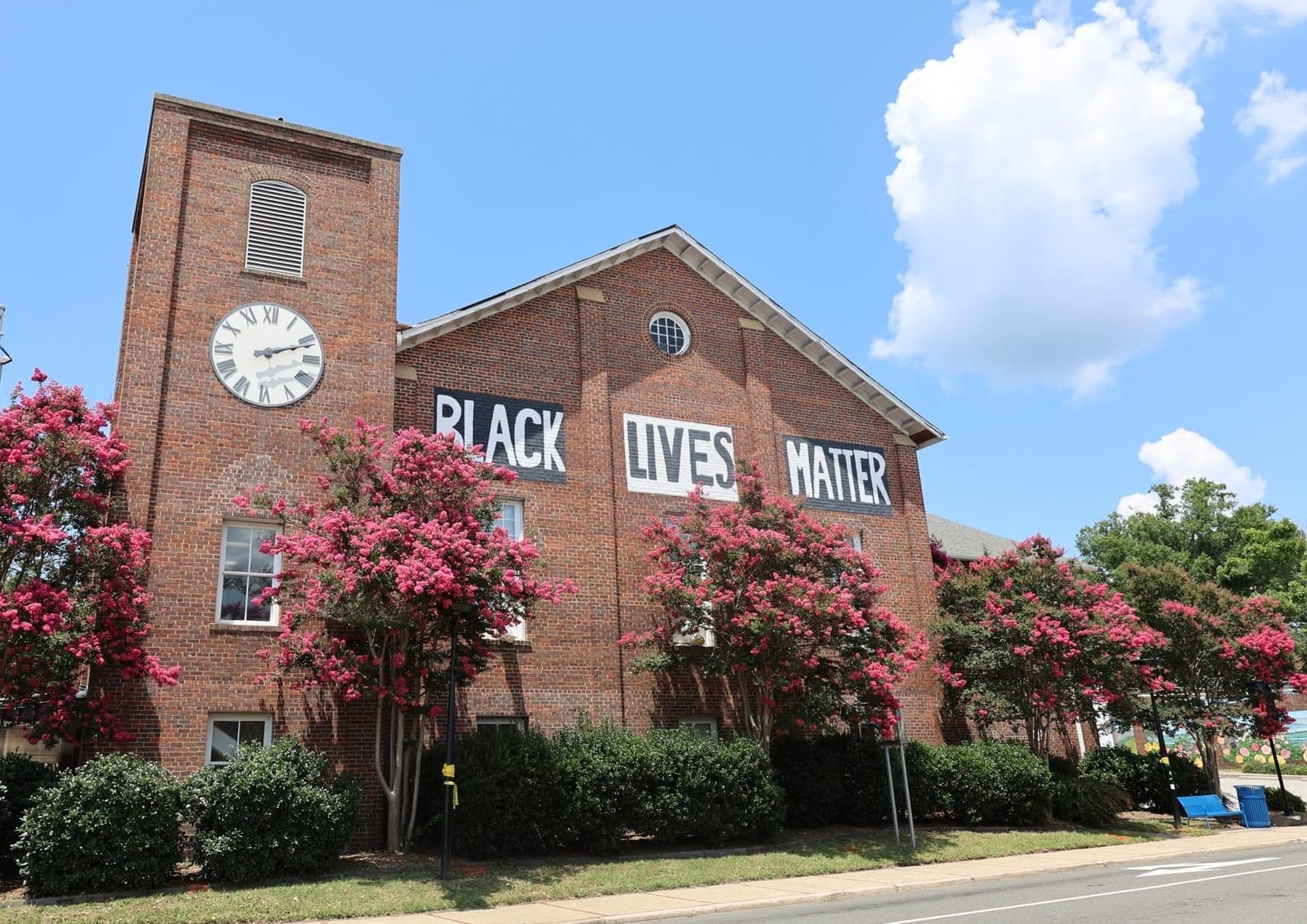
As Carrboro prepares to celebrate Juneteenth while the nation approaches the 250th anniversary of American independence, this moment calls for patriotic reflection and truth telling.
Juneteenth reminds us that freedom in America has never been simple, immediate, or equally shared. While July 4, 1776, marks the birth of a nation founded on ideals of liberty, Juneteenth, June 19, 1865, reminds us that many Black Americans remained enslaved nearly ninety years after those words were first written.
That truth is part of Carrboro’s story, too.
I’ve learned that long before Carrboro became known as the progressive and welcoming community that I love, Black residents here endured segregation, exclusion, economic hardship, and racial injustice. The town still carries the name of Julian Carr, an industrialist who openly defended violence against Black Americans during the Jim Crow era. Acknowledging that history is uncomfortable, but necessary. Truth-telling is part of our healing.
And yet, alongside that painful history, there is another Carrboro story. It’s one rooted in resilience, brilliance, creativity, survival, and community.
Carrboro’s race equity and black history preservation efforts are foundational and continuously lift unheard voices and stories that are also part of that history.
It lives in the story of Toney and Nellie Strayhorn, formerly enslaved people who purchased land on Jones Ferry Road after emancipation and built what is now known as the Strayhorn House. In a time when Black ownership, stability, and opportunity were constantly threatened, they planted roots anyway. They built legacy anyway, and we speak their names on an honorary street sign erected by the Town in 2025 on Laurel Avenue.
It lives in the story of Elizabeth Cotten, who wrote the iconic song “Freight Train” as a young Black girl in segregated Carrboro while hearing trains pass through the mill village. Her music would eventually travel the world but her roots began right here in this community. We speak her name through the newly renamed “Elizabeth Cotten Freight Train Blues Festival” where the Town of Carrboro was gifted her famous guitar during the festival’s opening night on May 15, 2026.
It lives in the story of Robert Drakeford, Carrboro’s first Black mayor, elected in 1977. Drakeford often spoke honestly about living through a time when Carrboro functioned as a “sundown town,” where Black residents understood they were not safe after dark. His election was political progress and cultural transformation. We speak his name in Carrboro’s largest public facility for culture, learning, and leisure, named the Drakeford Library Complex, which opened in 2025.
Juneteenth asks us to hold all of these truths together, the pain and the progress, the injustice and the joy.
Carrboro’s culture is to tell our stories through poetry. That is why the words of poet Pearl Cleage feel especially fitting during this season of American reflection and historical silence:
“We are here to speak your names
because you taught us that the search is always for the truth
and that when people show us who they are,
we should believe them.”
From “We Speak Your Names”
Carrboro’s Black history teaches exactly that lesson.
It teaches us to believe the truth about systemic racism, segregation, and exclusion. But it also teaches us to believe the truth about perseverance, courage, artistry, leadership, and hope.
As America prepares to commemorate 250 years of independence, communities across the country are deciding what story they want to tell about this nation. As we prepare to celebrate Juneteenth, we are clear that the American story is incomplete without the stories of Black Americans whose labor built this country while their freedom was denied.
The semiquincentennial should not simply celebrate where America began. It should challenge us to consider who was left out of that beginning and who fought, generation after generation, to expand democracy and freedom so the nation could move closer to its ideals.
Carrboro models that kind of honest reflection. Because Juneteenth is both about delayed emancipation in Texas in 1865 and recognizing the people in our own communities who carried freedom forward anyway, through music, poetry, faith, family, organizing, education, public service, and everyday survival.
Again, the words of Pearl Cleage guide us:
“We know that we are walking in footprints made deep
by the confident strides
of women who parted the air before them
like the forces of nature that you are.”
From “We Speak Your Names”
Those footprints exist here in Carrboro.
They exist in the Strayhorn family.
They exist in the music of Elizabeth Cotten.
They exist in the leadership of Robert Drakeford and Braxton Foushee.
They exist in the Black families who built community despite segregation.
They exist in the generations who kept going when the systems around them often failed to recognize their humanity.
And so, as Carrboro celebrates Juneteenth amid America’s 250th anniversary, perhaps the most important thing we can do is exactly what Pearl Cleage calls us to do:
Speak their names.
Toney and Nellie Strayhorn.
Elizabeth Cotten.
Robert Drakeford.
Hilliard Caldwell.
Braxton Foushee.
Alvin and Omelia Garner. Lee and Lattice Vickers.
Henry “Hank” Anderson.
Henry Baldwin.
Barbara Foushee.
We speak your names.
Speak the names of the Black elders, educators, artists, laborers, church leaders, organizers, and families whose stories were too often omitted from official histories. Because they are Carrboro’s history, and now, as the first Black Woman Town Manager, I am part of Carrboro’s history too.
We are American history.
And in this moment of remembrance and reflection, we honor them best not by silence, but by truth and gratitude.
And as "We Speak Your Names" so fittingly ends:
“We are the ones you hoped would make you proud
because all of our hard work makes all of yours part of something better, truer,
deeper.
Something that lights the way ahead like a lamp unto our feet,
as steady as the unforgettable beat of our collective heart.
We speak your names.
We speak your names.”
Patrice Y. Toney is the Town Manager of Carrboro. She authored this piece as a private citizen and her words here do not necessarily represent the Town of Carrboro.