How to Plant Natives
By Jeanette O’Connor, Executive Director, Lands and Waters South
“The typical suburban landscape is a highly simplified community consisting of a few species of alien ornamental plants that provide neither food nor shelter for animals. Our challenge is to redesign our living spaces in ways that provide both.” [1]
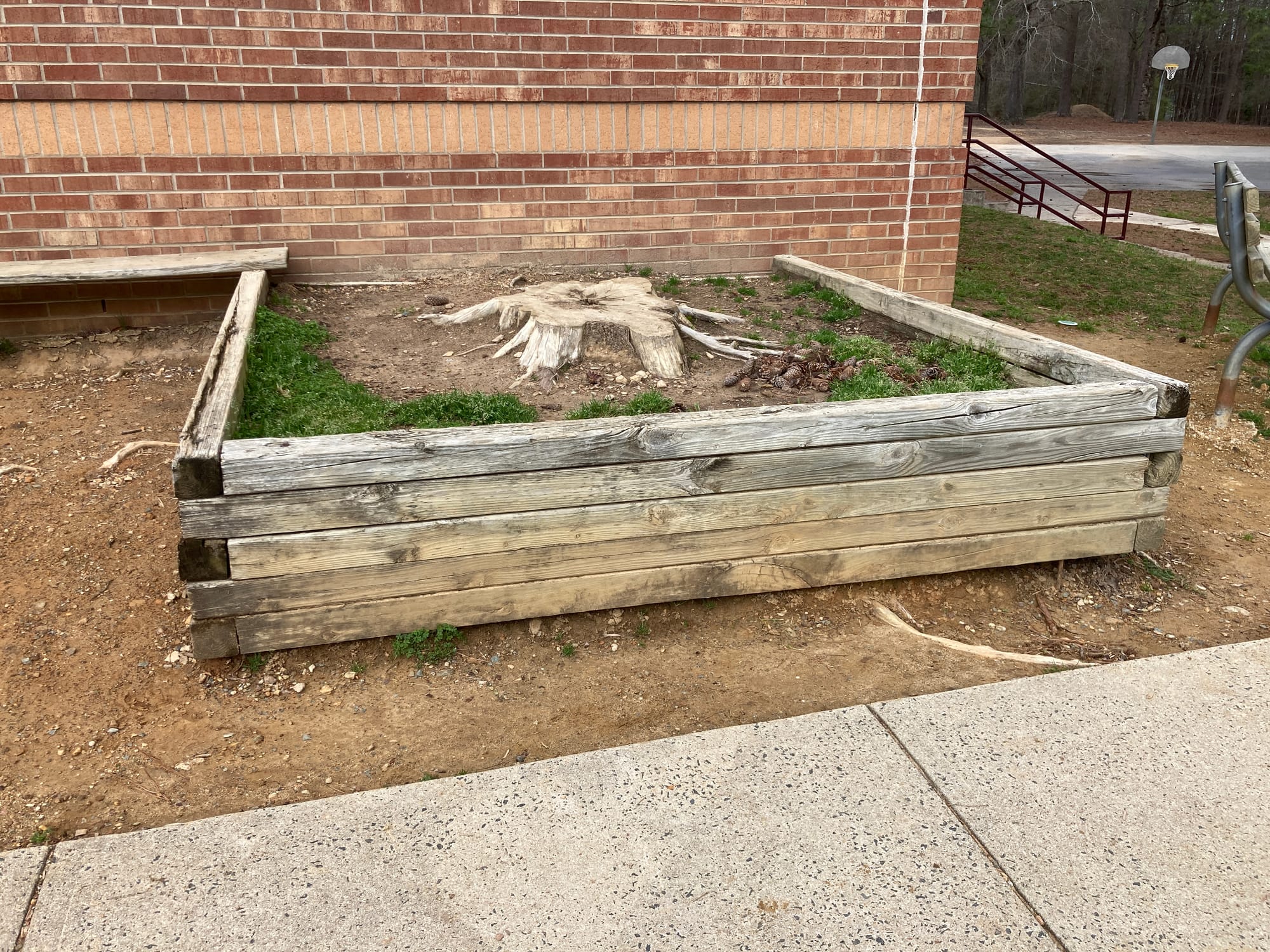
So how to begin? The first task is to choose a spot. You might think about somewhere you already spend a lot of time, somewhere you wish you spent more time, a place that has a water issue that needs to be addressed, an area that has fallen by the wayside, a place where you already notice wildlife congregating, a connection between existing garden beds, or an area beneath an established tree.
Consider privacy and safety concerns (for you and wildlife). For example, planting along the border between your yard and the street might make your yard feel more private. But it could also lead to cars running over caterpillars as they head off to form their chrysalises. You’ll also want to locate utility lines in your yard so you don’t accidentally sever your fiber cable or hit a gas line. Call 811 to schedule the local utility companies to come out and mark your property (for free!). Finally, you’ll want to find out the rules if you have an HOA. Even if you have a strict HOA, you can still likely trade out non-native, invasive species like heavenly bamboo (Nandina domestic) for a similar native species like inkberry (Ilex glabra).
Start SMALL. This is really important. If you try to landscape your entire yard all at once you’re going to run out of energy, time, and money long before the project is complete. Start with just a small space, maybe 100 square feet. You can then add on to that garden, slowly expanding out until you’ve replaced as much of your lawn as you like.
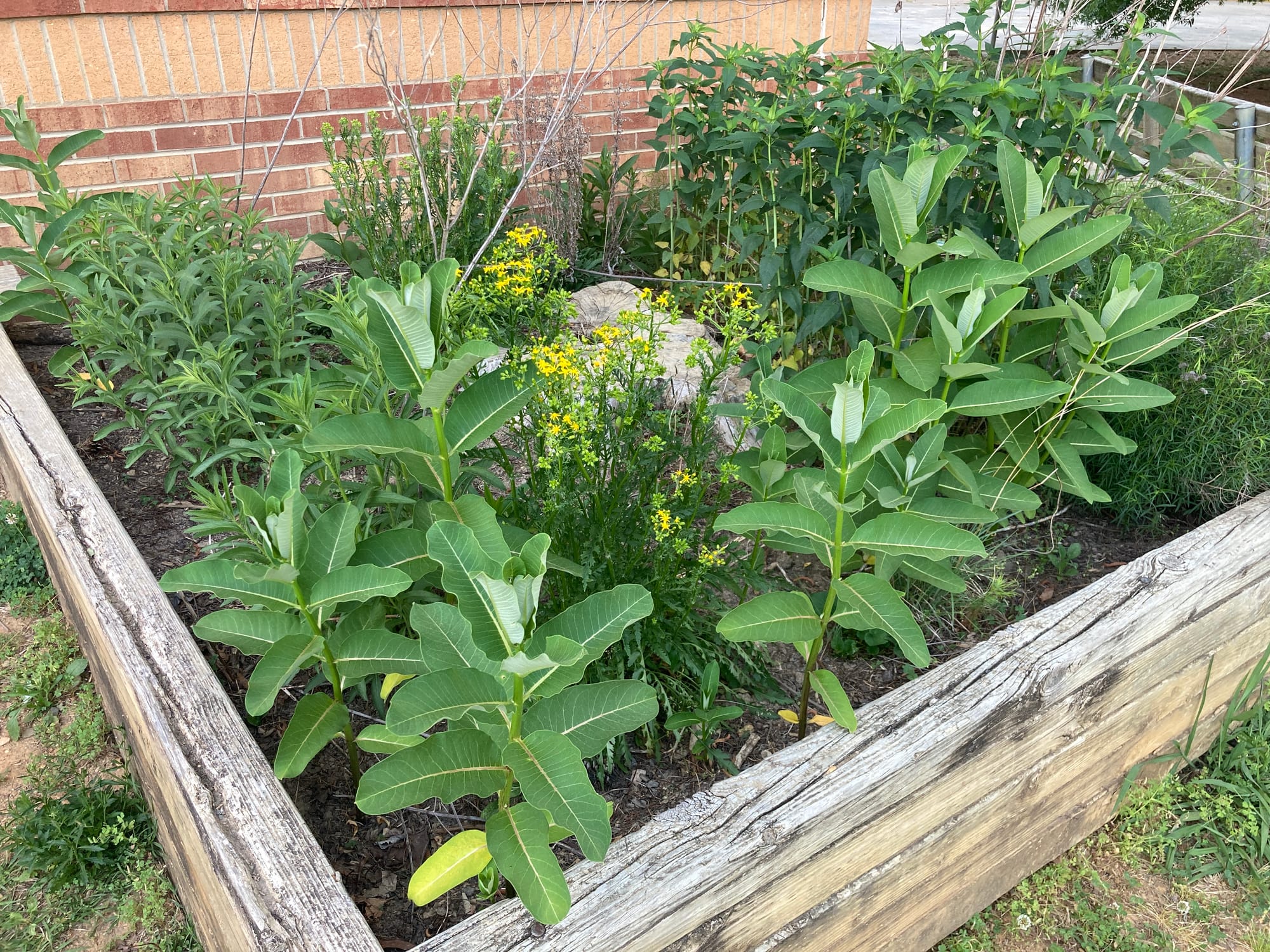
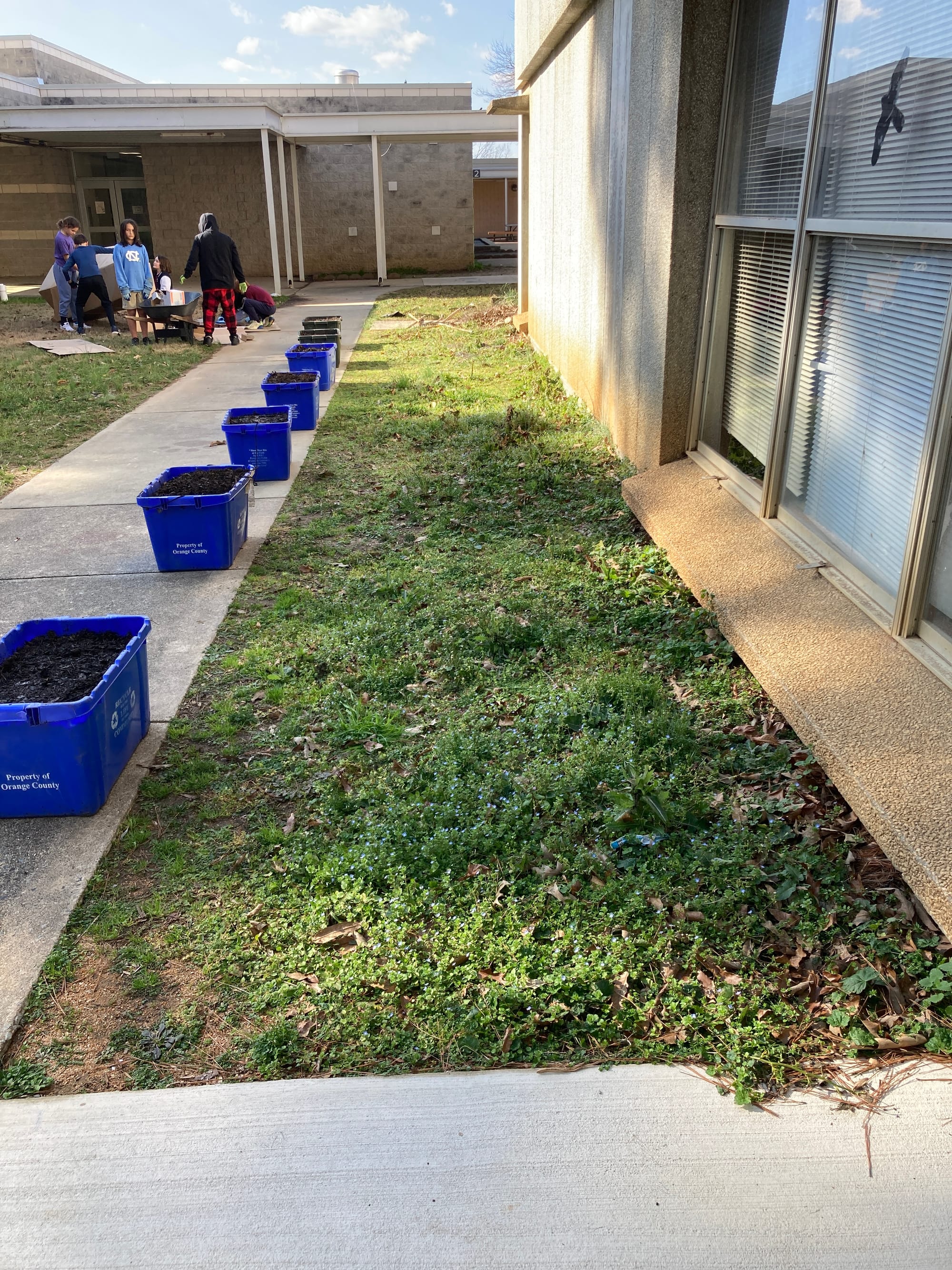
You’ll need to decide whether to remove vegetation by hand or sheet mulch. If the area you’re working in has wire grass (also known as Bermuda grass), you’ll need to remove all of it by hand. These plants grow in such a way that the part of the plant not covered by cardboard will feed nutrients to the part of the plant underneath the cardboard. This same principle applies to vines like English ivy (Hedera helix), Chinese wisteria (Wisteria sinensis), and Japanese honeysuckle (Lonicera japonica).
If you aren’t doing battle with these types of plants, just mow the vegetation as close to the ground as possible and cover it with cardboard and leaves (a practice referred to as sheet mulching). Don’t chop up the leaves - you’ll be chopping up all of the caterpillars and other insects who are overwintering in them. If you want to plant in the area before the cardboard has fully broken down, you can just move some leaves aside and cut a hole in the cardboard.
Now the fun part - choosing your plants. Things to think about when you’re reading through what likely feels like an endless list of species: does the area receive all-day sun, all-day shade, or half and half? Does the soil stay on the wetter side, or does it dry out quickly? Do you have deer to worry about? Do you (or does your HOA) want plants to stay below a certain height? Are you trying to create privacy (and therefore want evergreen or semi-evergreen species)?
Ensure the palette of plants you choose will have species that flower in the spring, some that flower in the summer, and some that flower in the fall. In this way, you’ll always have nectar and pollen to offer pollinators. If you have room, including trees or shrubs that offer berries in the winter is a great way to ensure our non-migratory songbirds continue to have food available once the insects have all burrowed down to escape the cold temperatures.
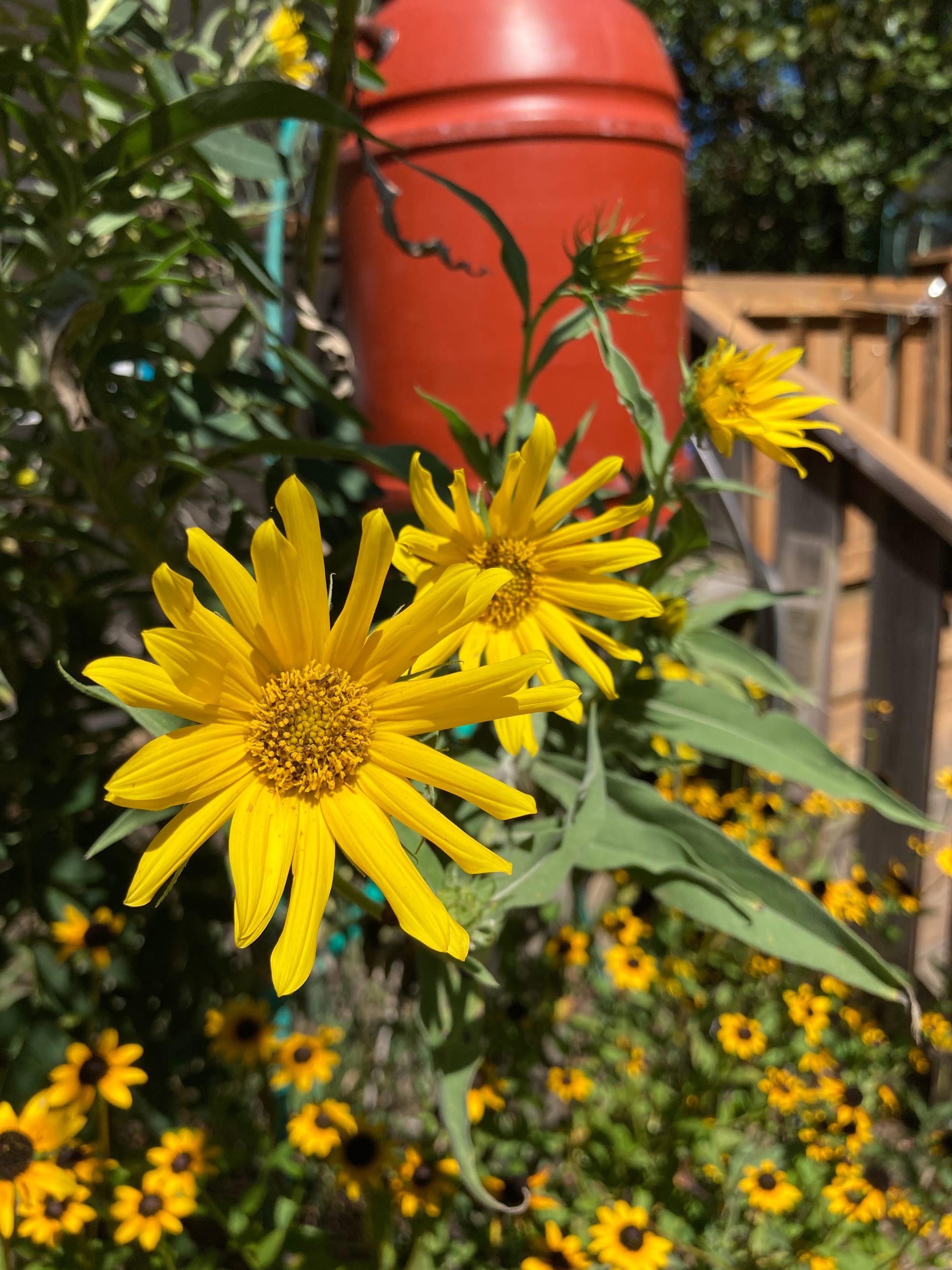
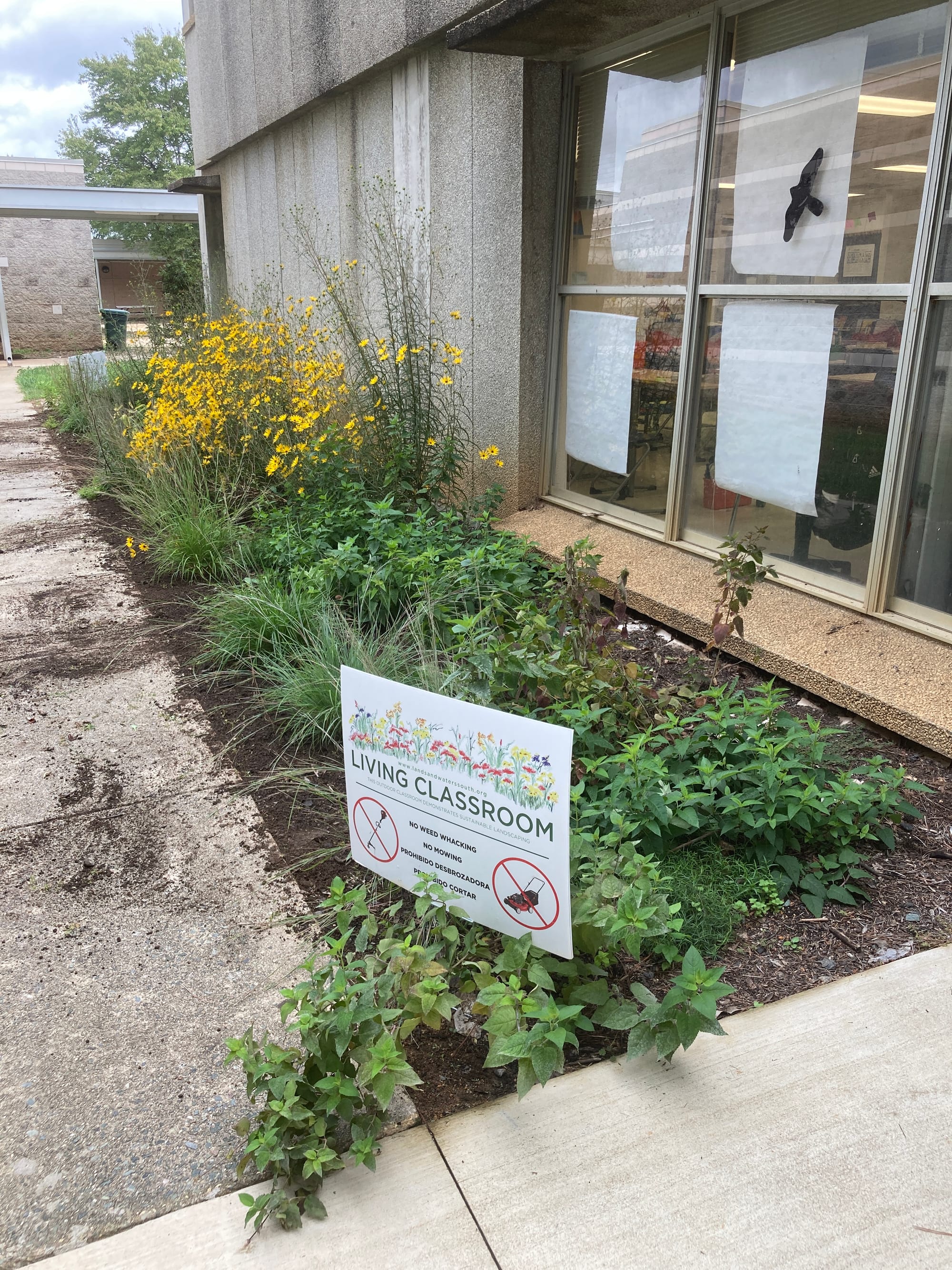
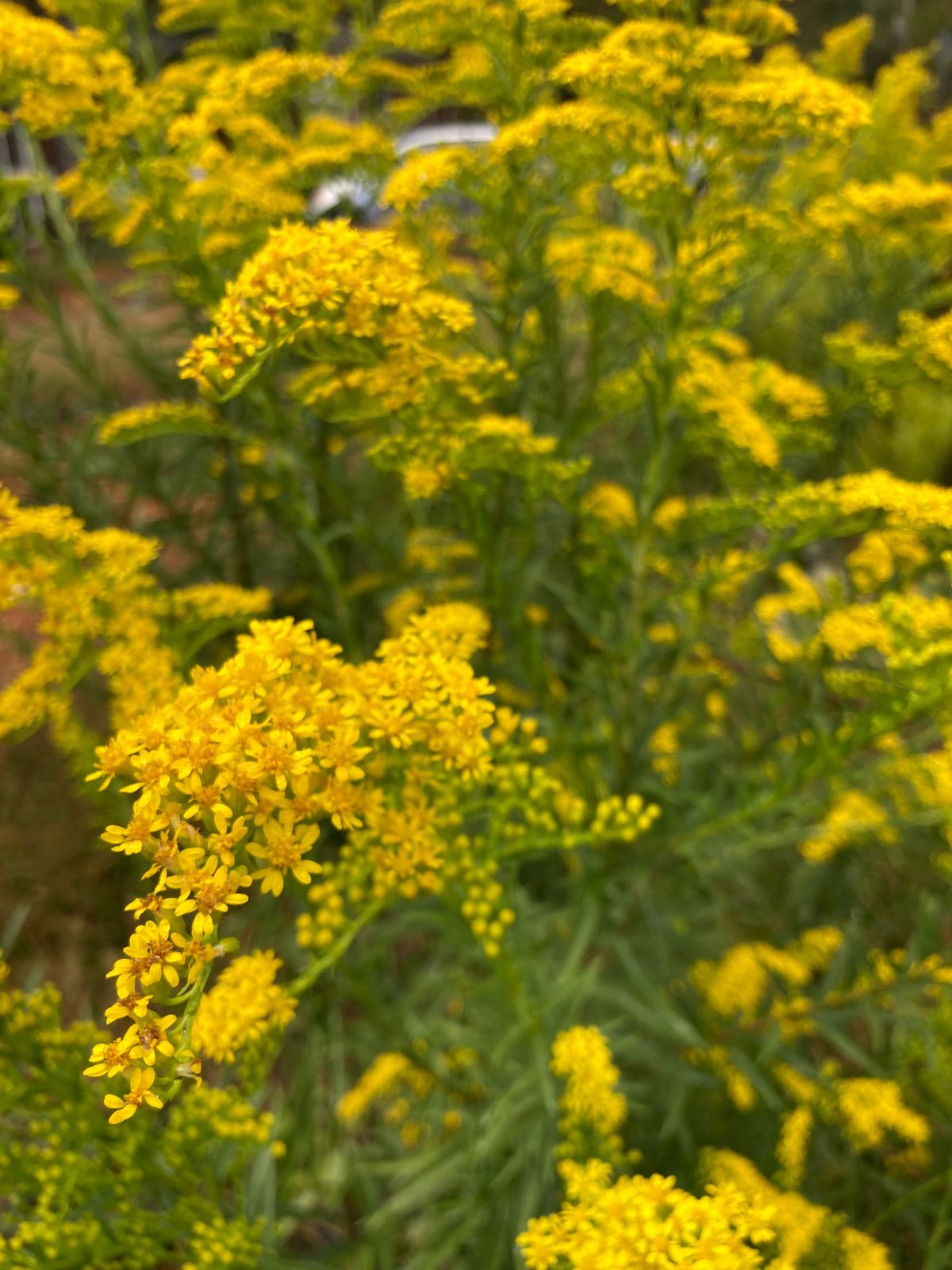
Consider both species diversity and structural diversity. The list of species I would recommend is too long and varied to include in this article, but in all my gardens I try to include native plants from four categories: Solidago, Helianthus, Symphyotrichum, and Rudbeckia. These four genera of plants provide the biggest bang for your buck when it comes to the number of pollen specialist bees [2] and pollinators in general [1] supported by your garden.
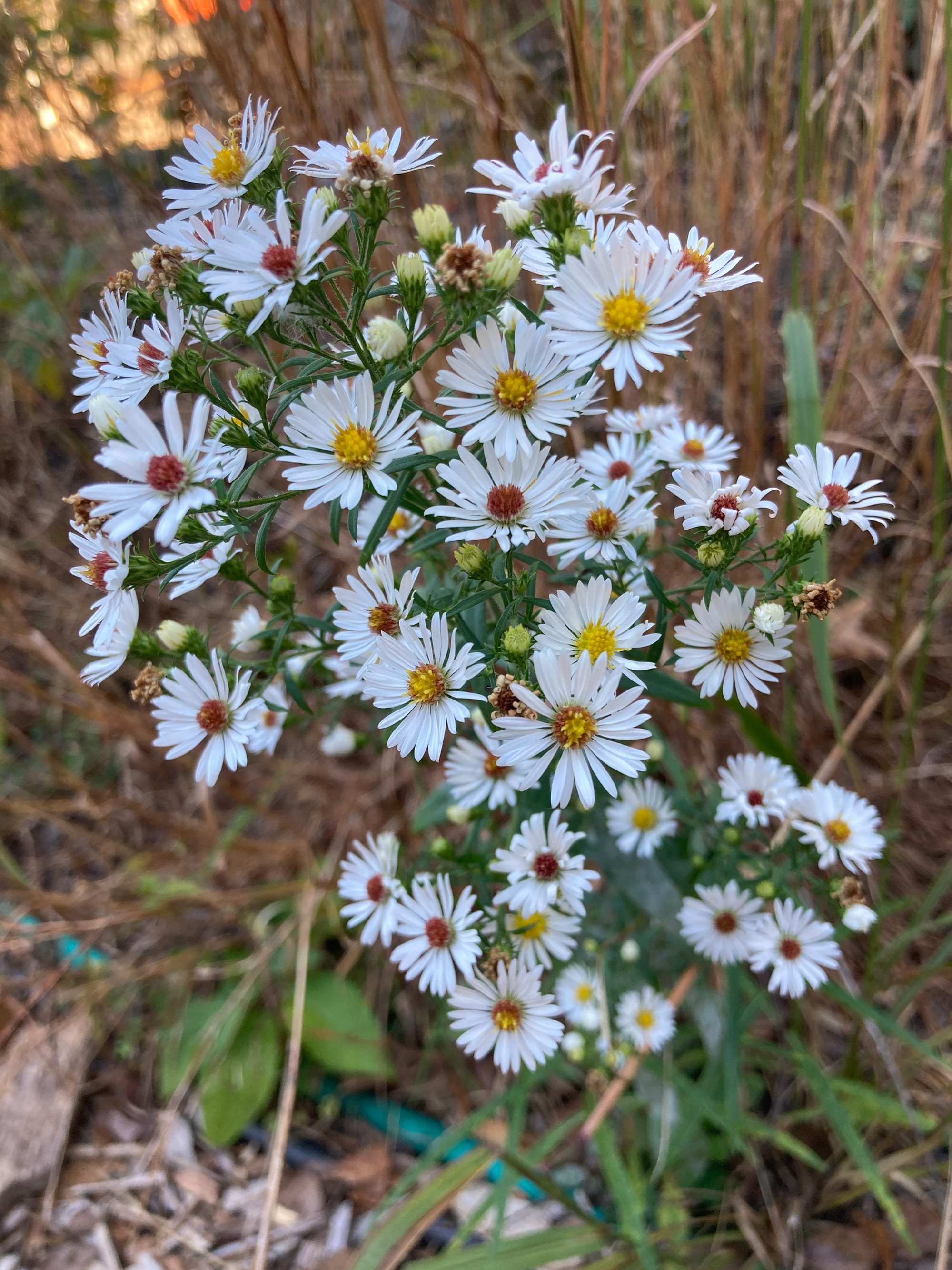
Group your species together when you lay out your design. The distance between one end of your garden and the other may not look like much to you but consider how far it might be for a tiny sweat bee or a ladybug. And if you’re planting host plants, like common milkweed (Asclepius syriaca), plant a bunch of it, not just one or two plants.
When winter arrives and your garden goes dormant, consider leaving everything in place. Birds will feast on the seed heads of flowers; insects will have laid eggs in stems, their young emerging in the spring; bees and butterflies will spend the winter underneath leaf litter [3]. Resist “cleaning up” your garden until spring temperatures are consistently in the 50s at night [4].
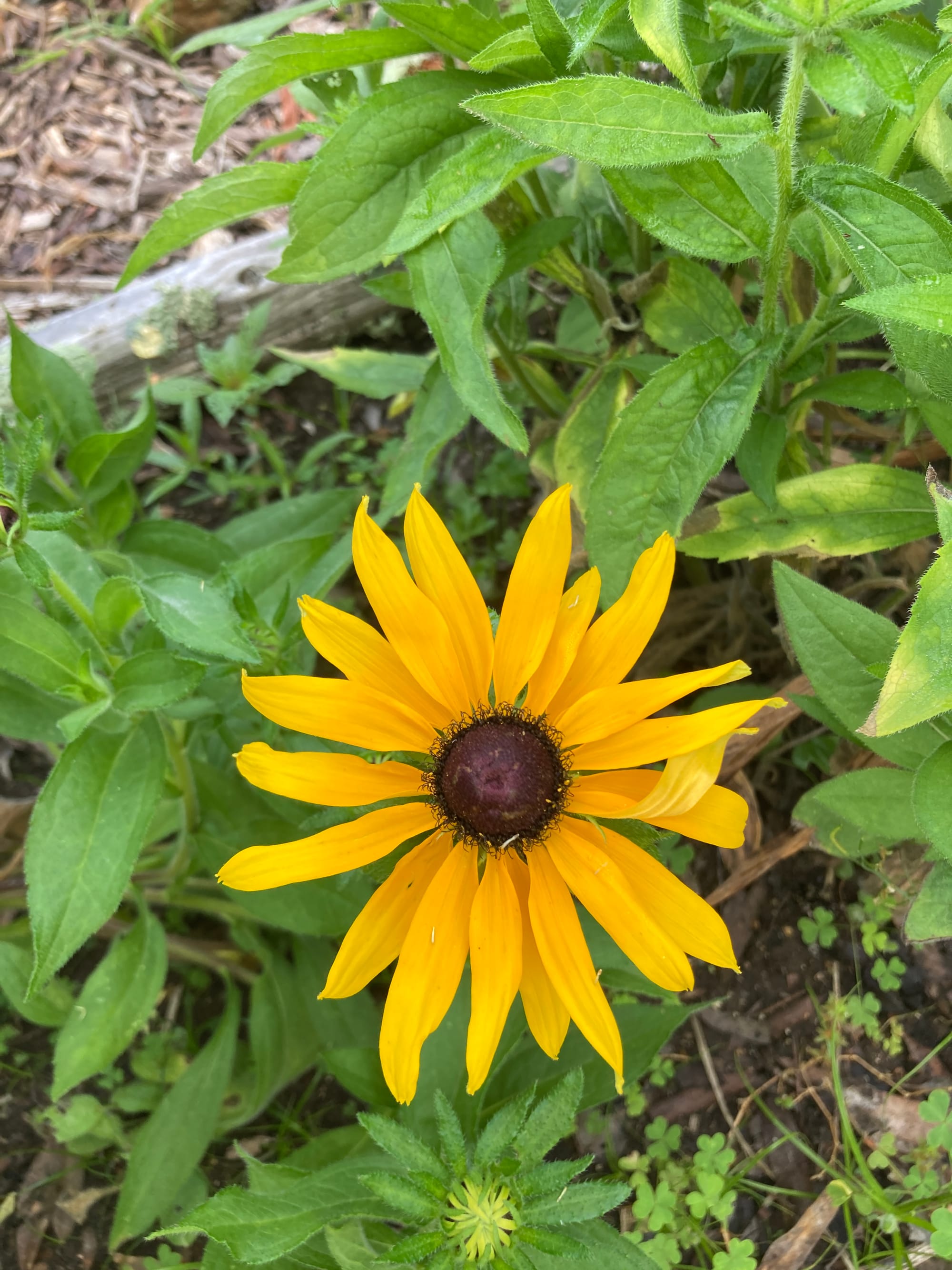
Research has shown that creating and managing high-quality habitat can have a positive impact on insect populations, often within just three years [5]. And remember: all those insects (and especially the caterpillars) are providing nesting songbirds with the fat-and-protein-rich calories they need to raise their young [1], so higher insect populations will result in higher songbird populations. Converting your lawn (even just a small part of it) into a garden full of native plants is the easiest way to fight back against habitat degradation, wildlife population decline, and climate change.
References
- Tallamy D. Bringing Nature Home. Portland: Timber Press Inc., 2010. Book.
- Fowler J and Droege S. “Pollen Specialist Bees of the United States.” 2020. Web. 27 February 2026. https://jarrodfowler.com/specialist_bees.html
- Jordan SF, Hopwood J, and Morris S. “Nesting and Overwintering Habitat for Pollinators and Other Beneficial Insects.” The Xeroxes Society for Invertebrate Conservation. Web. 23 March 2026. https://www.xerces.org/publications/fact-sheets/nesting-overwintering-habitat
- Wheeler J. “For Pollinators’ Sakes, Don’t Clean Up Your Garden Too Soon!” 20 March 2026. Web. 2 April 2026. https://xerces.org/blog/dont-spring-into-garden-cleanup-too-soon
- Black S. “Planting Habitat as an Act of Hope.” Wings. Spring 2024.