
Feeling under the weather? You're not alone.
A winter illness update from the Orange County Health Department and tips for boosting immunity.
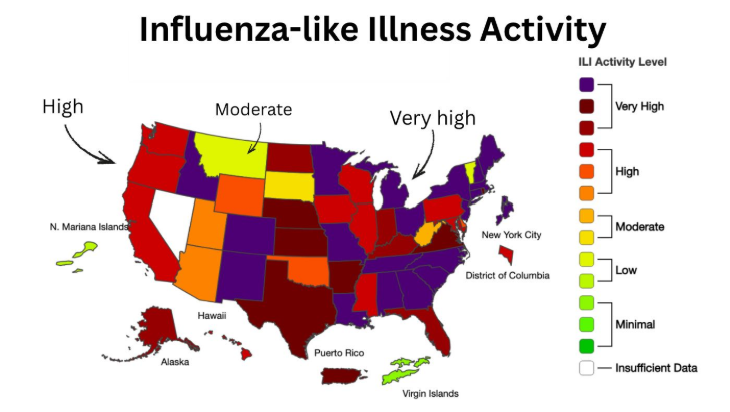
It's a rough winter virus season so far in the U.S., including North Carolina, which has "very high" influenza-like illness activity.
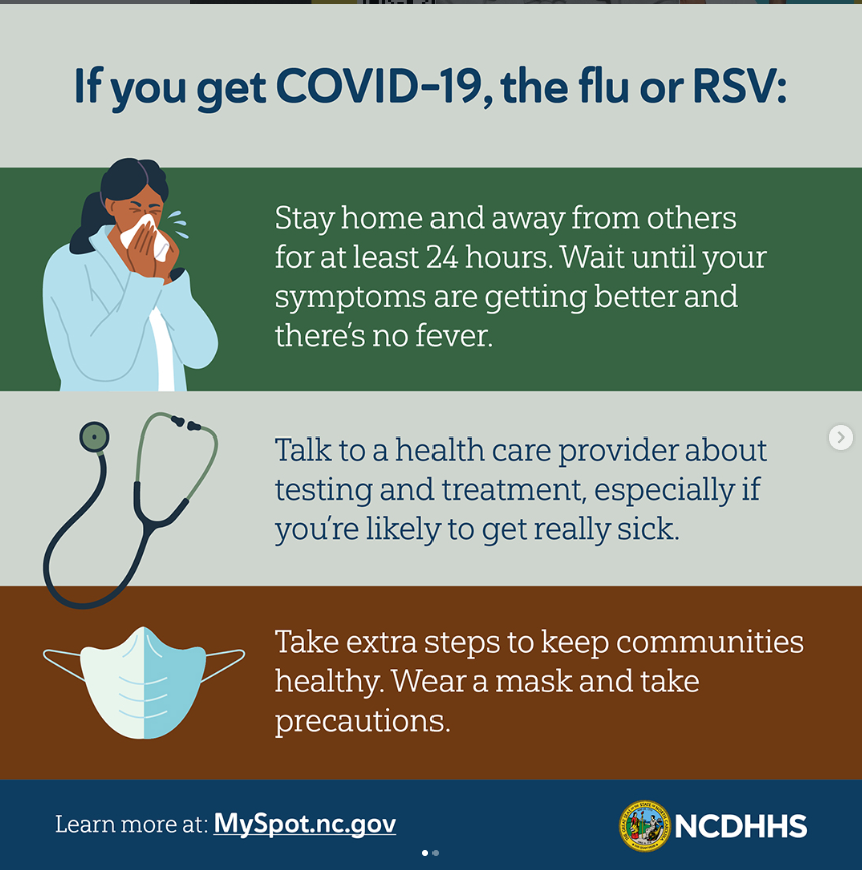
Responding to The Carrborean's questions by email, Dr. Erica M. Pettigrew, MD, JD, MPH, Medical Director at Orange County Health Department, reported that, while we're having an active season with Flu A, "it appears to have peaked in late December/early January and cases are now declining." There is also a steady number of COVID and RSV infections but Flu A "far surpassed them in terms of cases and hospital admissions." She states that there have been local flu-related deaths this season and vaccination is the best way to prevent serious illness and death.
The O.C. Health Department said that, last year, flu peaked in February but with a smaller number of cases than this year's peak a few weeks ago. So far, this season is tied with 2022-23 for "worst flu season" of the past six years. Local hospitals employed "surge" teams to address demand from increased emergency room visits and admissions.
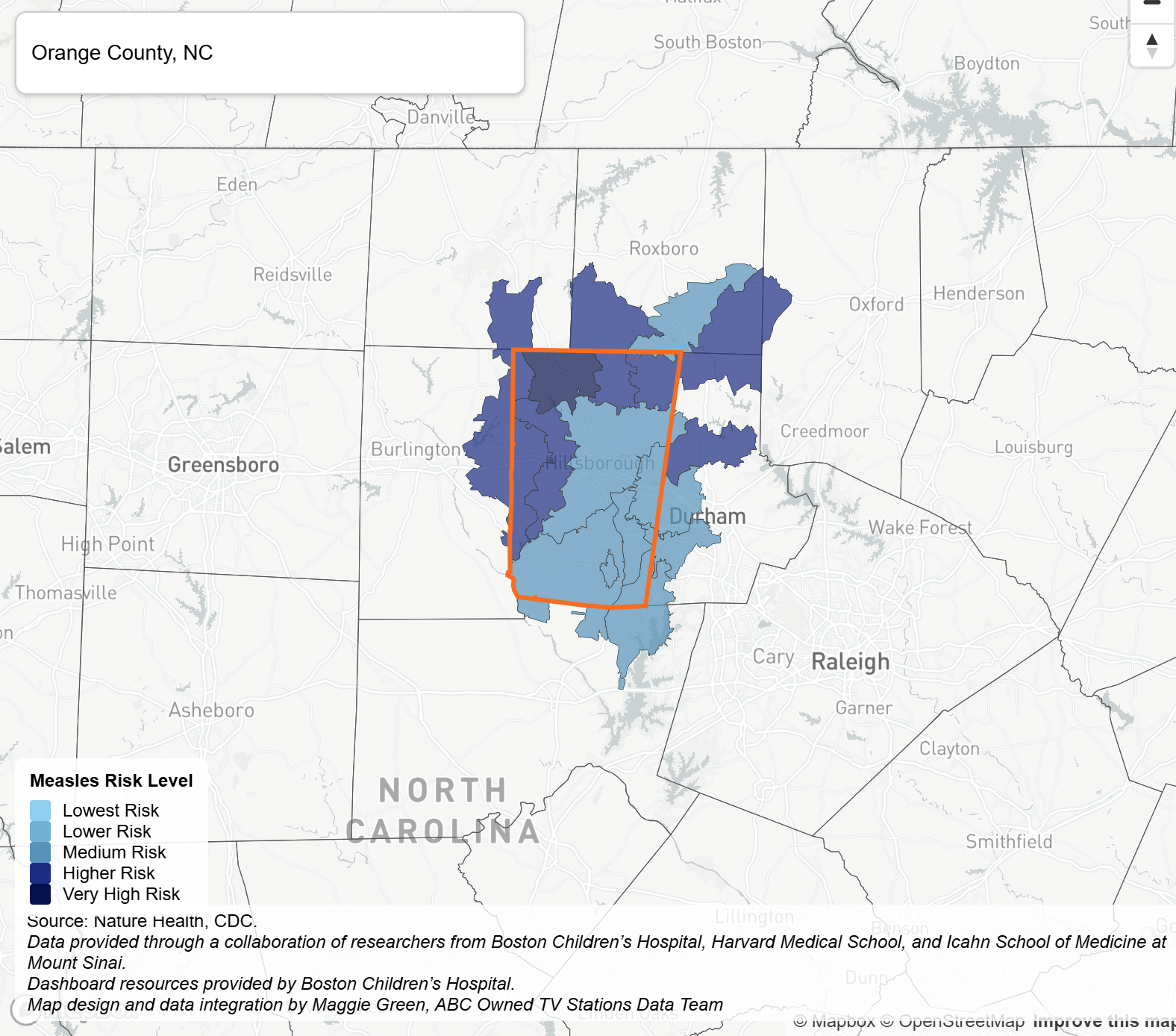
Meanwhile, measles has resurged in the U.S. thanks to a decrease in vaccinations. Measles is a highly contagious respiratory virus but not considered seasonal in the U.S. There is a growing number of cases in western North Carolina (11 as of this writing, according to the state dashboard) and OC Health Department officials believe it is only a matter of time before cases of this preventable disease appear in Orange County. According to the ABC News measles risk tracker, zip code 27510 has a "medium" level risk.
There is a safe measles, mumps, and rubella (MMR) vaccine that is 97% effective with two doses. "We encourage everyone to ensure they are up to date on vaccination, and they have written documentation of their vaccine status in case they are exposed," Dr. Pettigrew said.
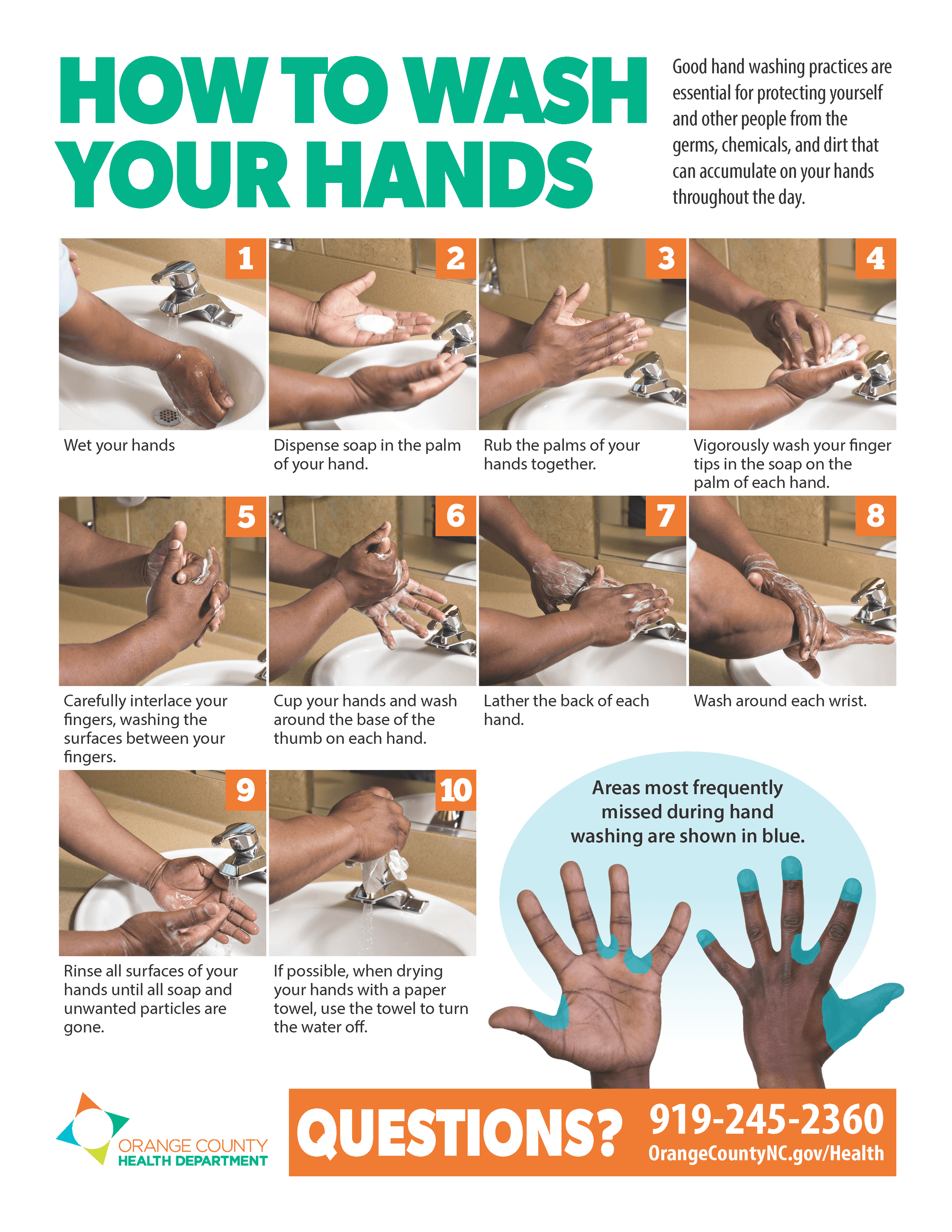
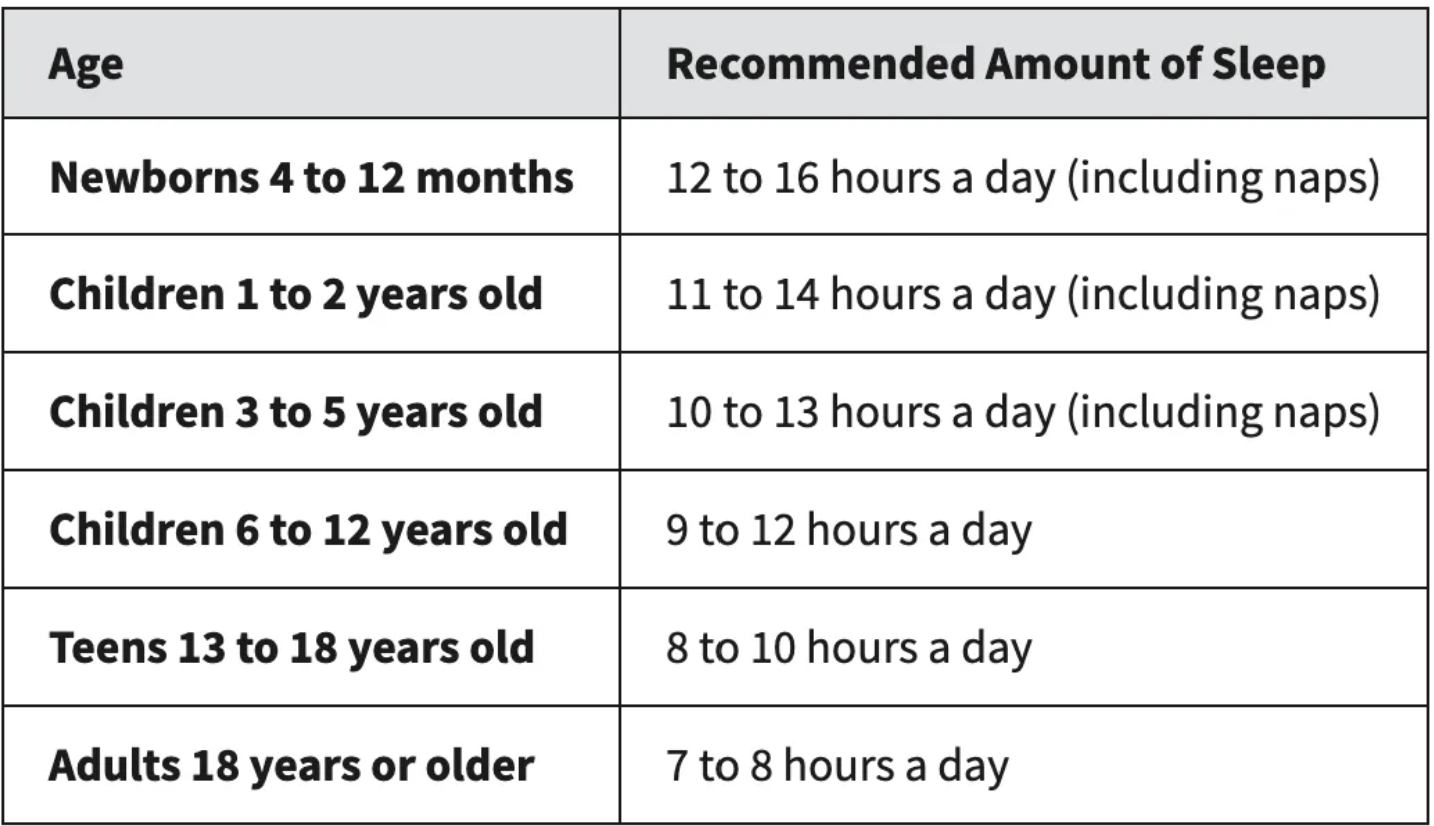
Your Local Epidemiologist (trusted by your Editor and local epidemiologist) has some tips for boosting your immune system. Vaccines remain the most powerful tool to reduce the risk of infection and serious illness. But there are no vaccines for some infections. Sleep supports the immune system in several key ways: suppressing chronic inflammation, coordinating where immune cells go, and training immune cells to recognize germs. Not enough sleep makes the immune system less effective, increasing the risk of infection and other problems.
Other things that can help: humidity (helps you feel better) and a nutrient-rich diet (supports the immune system). Vitamin supplements have a complicated history and are not regulated for safety or efficacy in the U.S. so evaluate that option carefully.
Updated 1/21 to include information from ABC News measles risk tracker.