
A Conversation with Danny Nowell, Candidate for Carrboro Town Council
"I really have tried to think about a platform that gets the most democratizing results possible. I really want to try for my decisions to reflect shared priorities from my seat.”
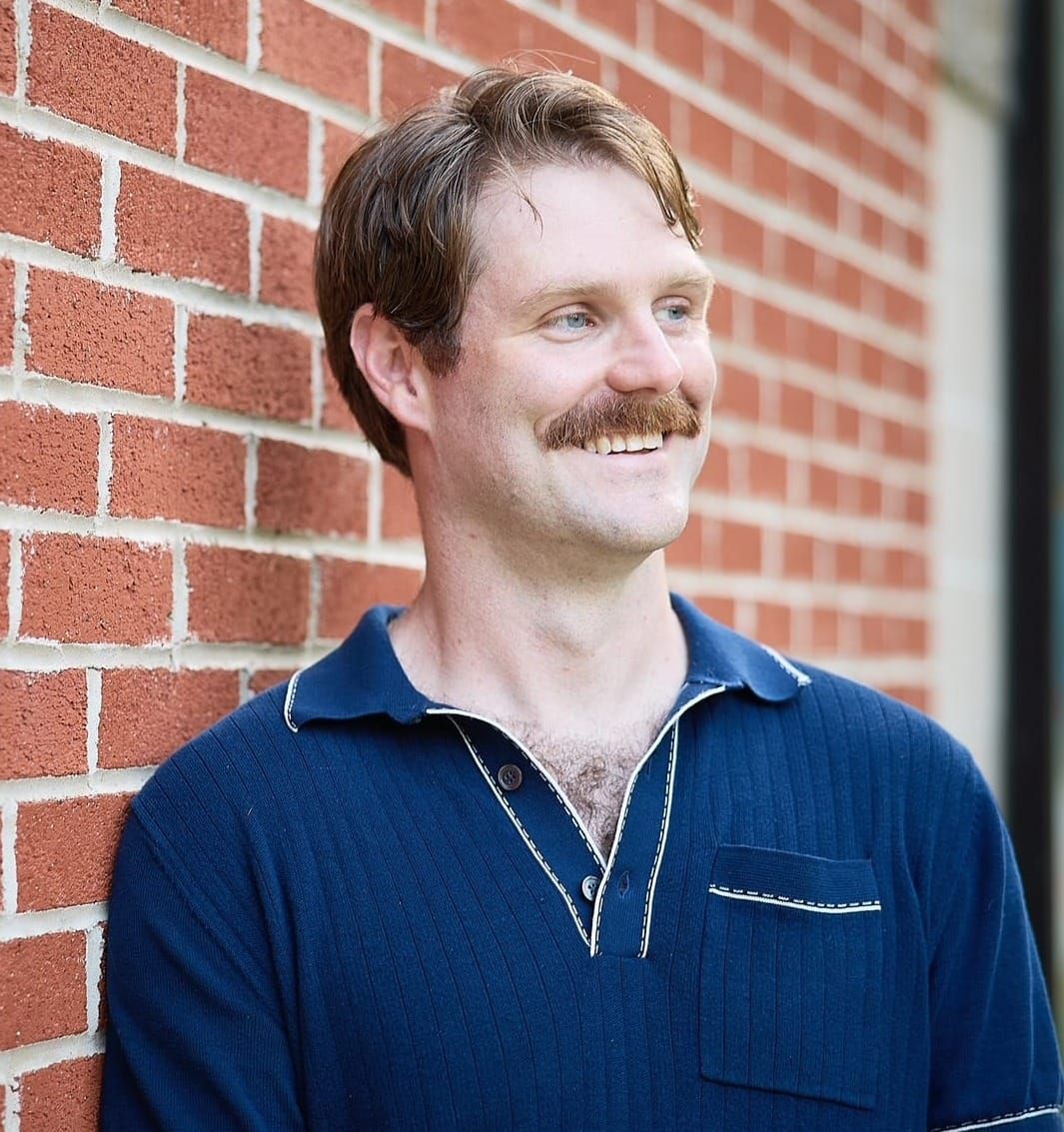
The Carrborean sat down with Council Member Danny Nowell, candidate for Carrboro Town Council earlier this month. Mr. Nowell is currently wrapping up his first term as Council Member and is running for re-election. Thank you for your time, Mr. Nowell!
- What is something you would like residents to know about you and your priorities for Council, maybe something that’s not in your official statement? (Or it could be something in your statement that you want to stress and is especially timely.)
Mr. Nowell notes that the municipal structure can be technical and demobilizing in a way that creates difficulties for neighbors trying to work things out and negotiate among themselves, making it easy to “miss the forest for the trees.” But he has found that “we share so many more values that you could possibly imagine. I really have tried to think about a platform that gets the most democratizing results possible. I really want to try for my decisions to reflect shared priorities from my seat.”
Affordable housing is a priority. Mr. Nowell says that he doesn’t think “a town of 22,000 is going to pioneer an intervention in the housing market that will solve affordable housing.” But he believes there is the ability and commitment to focus on “getting the best we can, where we can.” He believes that in Carrboro we have “as desirable and as valuable a place to have a home and raise a family as we have in North Carolina. So, if I think about democratizing those resources, if I think about redistributing those and sharing them, that means giving more people access to this community. That means unlocking the value of this community [with] as much housing, essentially, as we can build.”
He acknowledges caveats. “ ‘As much housing as we can build’ isn't exactly it because we also want to incentivize really meaningful subsidy to market rate construction. It isn't going to necessarily economically diversify town in the way I dream of. But it is a step toward that. And so I think at every turn, what I want people to know is my consideration is not that I believe we will effect total solutions, but that we are continually working toward [them]… it's [about making] as much room as we can with better climate practices than we've employed to this point.”
- How will you engage with residents throughout your term? Does your answer describe something new or continuing what you've been doing?
Mr. Nowell prefers to engage with residents in person and individually to have unobstructed conversations during which he finds, almost every time, that most of us are working toward the same goal. “And one on one, that's much easier to keep in mind.” While not a fan of social media, he wants to do a better job “of communicating at a mass level,” particularly to demystify what goes on Tuesday nights at Council Meetings. “It's pretty hard to understand, actually, what goes on at most town council meetings. There's so much nuance and detail required to really get it across people. I've found that [in] trying to summarize it.”
- What do you hope to accomplish or contribute to during your term?
“We're going to have a new land use ordinance in the next year. And I want it to be a real leader in North Carolina: the most pro-housing and climate resilient land use ordinance.” He believes we’re in an active experiment as towns across North Carolina reconsider their zoning and land use. “I just really want to pass something that other towns look to as really incentivizing, responsible, meaningfully affordable, climate resilient housing.” He believes we have to pursue subsidies within a diverse approach and acknowledges that we may not get to “radically affordable,” but cites the Jade Creek Project off of Old NC State Highway 86 as an example, with new homes in the low $300,000s which he says is lower “than anything else we’ve added to the market.” He also believes it’s important to think about integrated commercial development near housing to reduce car dependence.
“We need to do a lot more with gap financing. We need to use our budget to help developers parcel out subsidized construction.” Typically, he notes, there’s no financial incentive for developers to build those. He says a town could offer a lower interest rate on the first part of a design phase than developers could get elsewhere. “And that's money they can put into building the affordable housing. And then we can incentivize that through a number of other structural things in the Ordinance.” Pursuing land banking and gap financing, continuing to zone for affordable housing and building more, is how he believes that people with lower incomes will be able to live in Carrboro.
- The Council's work and statements related to climate, affordable housing, land use, greenways/connectivity, and social programs are among the better-known Town workstreams. How can or will Council support the business community during your term?
“Good outcomes for businesses are really important to good outcomes for our entire community.” Regarding the discussions of the closure of East Weaver Street, “I understand some business community hesitation about the traffic idea. But the data bears out in fact that this is a really solid plan for traffic. The data bears out that if we get the right things in place, there is the possibility that that plan makes our downtown comprehensibly more accessible, by foot and by car. And so, it's not that we aren't sensitive to those traffic concerns. It is, in fact, in part because of our sensitivity to those concerns that we're considering this [plan].”
He believes that businesses in Carrboro are healthy. “But we are absolutely invested in making it easier and healthier [for businesses]. You know, one of the big things for me is a downtown area plan that will come with our new land use ordinance, it's kind of on similar timelines. If we add housing downtown, all of our downtown businesses have a much more stable economic base.”
Mr. Nowell would like a community design “where business is everywhere” with many neighborhoods “able to buy milk and eggs on foot.” He believes that planning communities around businesses leads to accessible, thriving communities. “You know, it is making it so that the things that everybody needs at every stage of their life are closer to them.”
This is the last in the series of The Carrborean’s conversations with candidates. See our other interviews with Fred Joiner, Council Member Cristóbal Palmer, and Mayor Barbara Foushee. Early voting is underway and will continue through November 1. Election day is November 4.