
Perspective: Sometimes, we like to be scared
by Chaniya Tingley
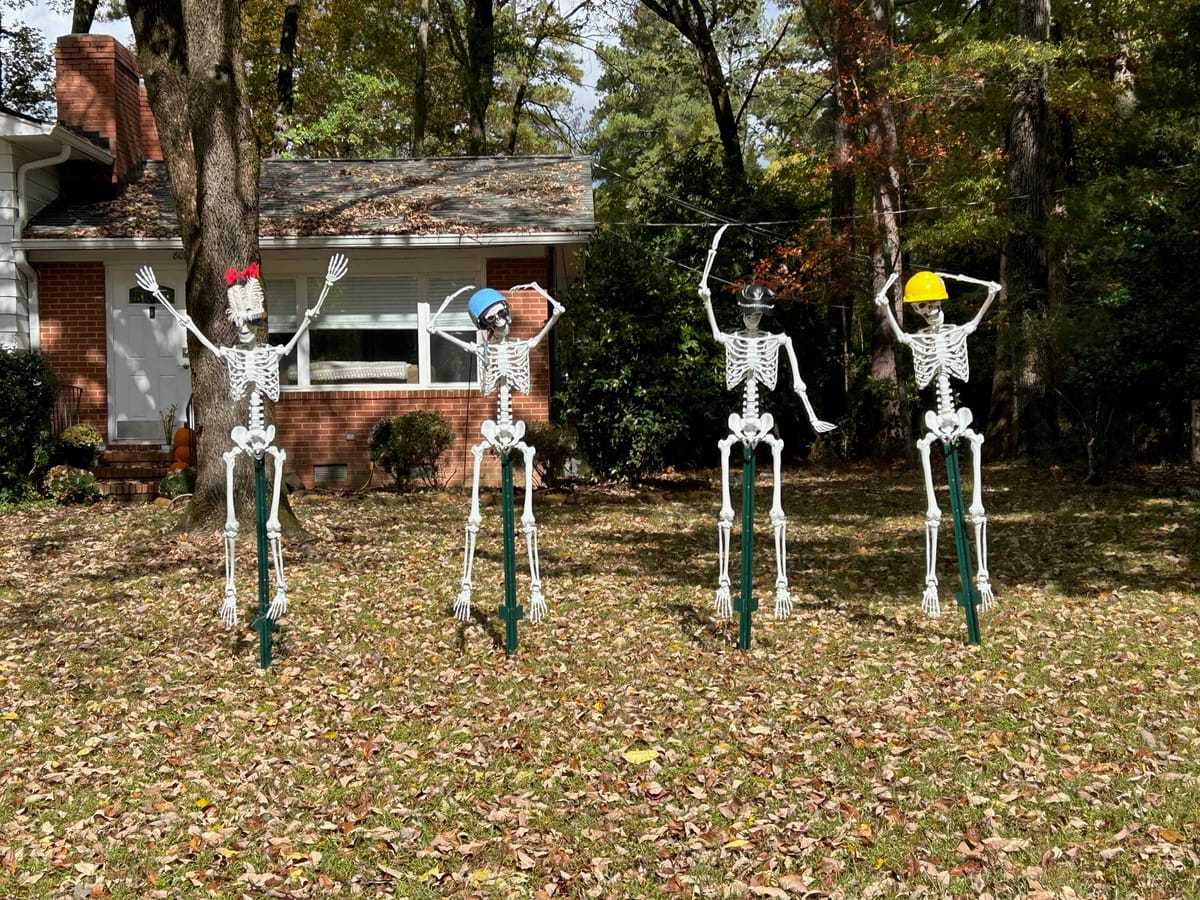
The idea of fear in our society revolves around what sells to people, the question: How can we bottle this fear up in the most appealing way? We love the fear we see, buy, and collect. We fear haunted houses, but we love them so much that we pay to go see them. Creepy figurines of Jack Skellington, the Boogeyman, vampires line the shelves in September, gone early October as we decorate our homes for the scary holiday. We fill our environments with dark colors, skulls, gore of any kind.
This environment is either seasonal for some or a year round tradition. I edge slightly towards the latter, I found love in watching Young Frankenstein. Experiencing the humor and playfulness along with the fear watching it the first time. Tim Burton and Edward Gorey’s macabre illustrations transported me to new worlds. I collected the fear, admired the fear for years after being first introduced. I am not the only one that feels the emotional world of these illustrators and artists who create an environment of fear for us to enjoy, maybe they understand that as humans, it is okay to live with a healthy amount of fear.
There is comfort in the creepy, coziness even.
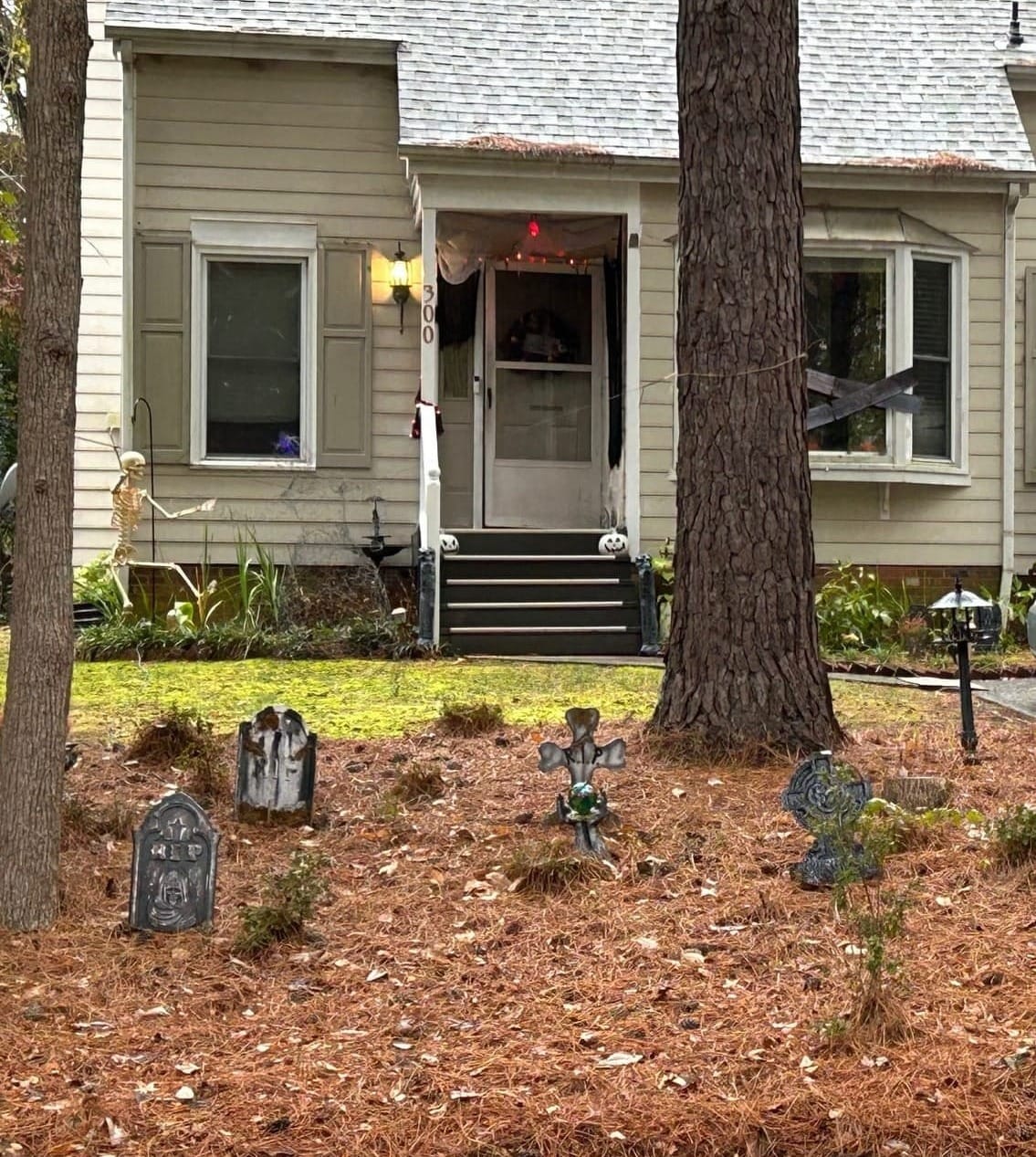
For another perspective, The Carrborean asked Rodrigo Tossi, community health psychologist and host of WCOM's Vientos del Sur program, about Halloween traditions. He noted that Halloween is a much larger commercial endeavor in the U.S. than in his native Chile, where there is more emphasis on commemoration of the dead November 1 and 2, All Saints Day and All Souls Day, respectively, in the Catholic Church. Reflecting on traditional "horror" stories such as Frankenstein by Mary Shelley and Dracula by Bram Stoker, he identifies the drama, suspense, and romance in them, and believes they are more appropriately labelled "love stories."
He thinks the experience of fear in the U.S. is a particular one, born of a national sense of indomitability and security in the knowledge that real danger (i.e., being bombed) doesn't exist here; therefore, this culture creates a fantasy about imaginary monsters such as witches, skeletons, mummies, and ghosts. It's a game or a distraction—to play with fear in a protected space—on the surface, overlaying the big commercial business driving the holiday.
On this Halloween, we wish you comfort in creepiness.