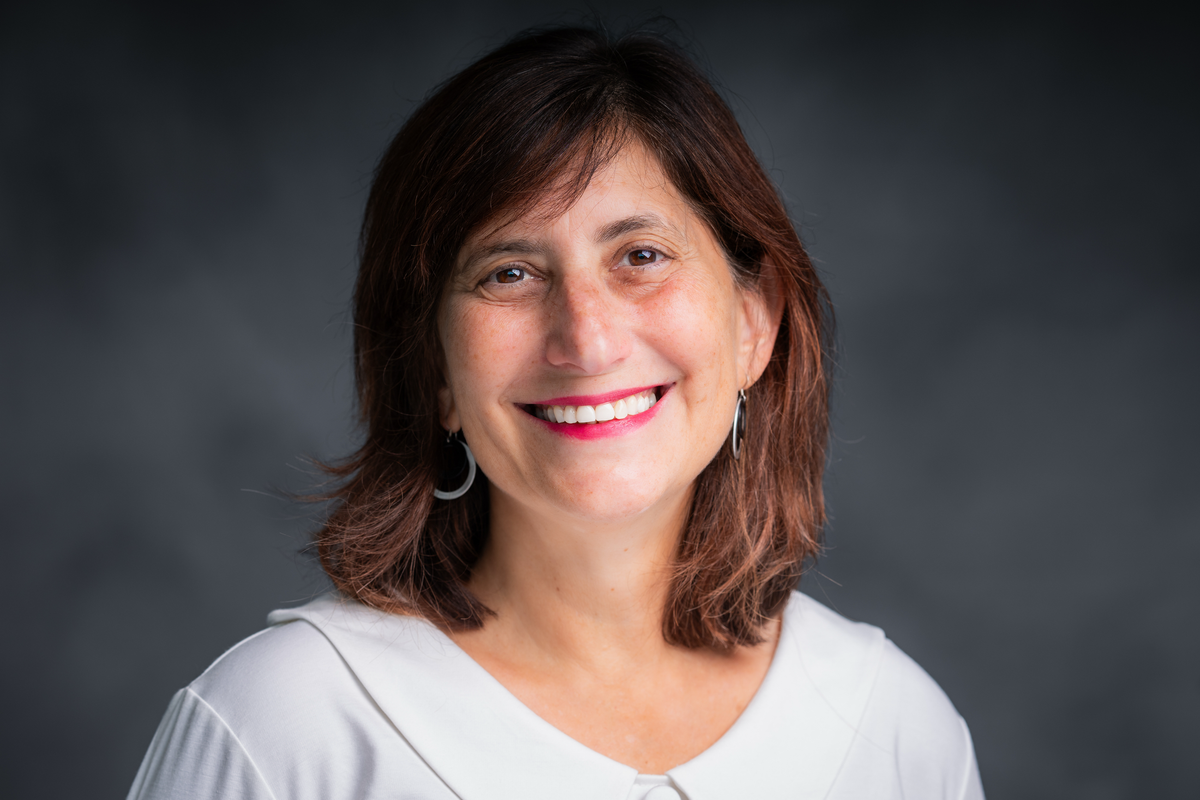
A conversation with Karen Stegman, at-large candidate for Orange County Board of Commissioners
John Rees of The Triangle Blog Blog joined us to talk about the role of County Commissioner, the rural buffer, and more.
This summarized narrative was generated by AI from the transcript of the interview that aired on The Carrborean Radio Hour on WCOM 103.5 (wcomfm.org) January 26.
Tell us about yourself and your experience in public service, and why you’re running for the seat.
Karen Stegman is a native of Orange County, UNC–Chapel Hill alum, long-time resident with career and family here; recently finished eight years on Chapel Hill Town Council and has extensive volunteer service. She hadn’t planned to run again so soon but feels it’s a challenging time nationally and statewide; believes she can best contribute through elected service. She emphasized the importance of having someone with town/city local-government experience on the County Commission, and notes her work on affordable housing, land use, affordability, climate mitigation as directly relevant at the county level. Website: StegmanForOrange.com
Tell us about the role of a county commissioner in the life of a Carrboro resident.
The County Commission is like a second local government that people overlook, but it has big day‑to‑day impact. Most visible role is funding public schools (both Orange County Schools and Chapel Hill–Carrboro City Schools). Also funds buildings like the Drakeford, libraries, sets county property tax rates and valuations, funds social services, housing, public health, emergency services, jails, courthouses, land use policy outside towns, and nonprofits. She stresses the need for more public attention on the County Commission.
Turning to land use, why should Carrboro residents care about the rural buffer?
The rural buffer is ~36,000 acres surrounding Chapel Hill and Carrboro, created in the late 1980s to prevent sprawl, preserve rural land, open space, watersheds. It works alongside the urban services boundary (WASAMB/AWASA), which controls where high‑density development can happen by tying it to water/sewer extension. The understanding at the time it was developed was this: dense development inside towns allows preservation of rural/farmland areas. That requires towns to actually accept density (“complete community”/smart growth: transit‑supported, walkable/bikeable, near jobs and services) which reduces environmental impact, traffic, and infrastructure costs, as opposed to sprawl like suburban Charlotte.
She notes it isn’t perfect and can be adjusted (example: revising the boundary near southern Chapel Hill as Chatham County develops up to the county line). She emphasizes the County’s current countywide future land use plan must decide where new housing goes, including affordable housing, and she wants the Commission to respect urban service boundaries, support dense development where it already makes sense, and relieve pressure on farmers and rural land by not “opening it up” everywhere.
John Rees notes that Chapel Hill, Carrboro, and Orange County are all redoing land‑use plans now, so land use is very much on everyone’s mind.
Turning to the Orange County tax assessment process. Can you tell us your thoughts on the current process?
Fixing problems in the tax assessment process is a top campaign priority for Karen Stegman. Community analysis (Jackson Center, NC Housing Coalition) has revealed systemic inequities: historically Black neighborhoods have been over‑valued (over‑assessed). Advocates raised this after the prior valuation. When the county tax office briefed town boards this cycle, they said the problem was fixed, but it became clear it was not—she believes it wasn’t intentional but shows a lack of understanding of systemic inequities.
The Commission has created a workgroup with elected officials, staff, community members to make recommendations. She says the key now is actually implementing those recommendations, verifying they work, involving the community in feedback, and continuously tracking to ensure the inequities are permanently corrected.
How about school funding, particularly how it relates to how schools make decisions that impact services?
Karen Stegman is a strong supporter of public schools; she is a product of Chapel Hill–Carrboro schools and parent of a child who attended. Notes buildings are very old—the current bond is crucial to replace aging facilities.
Stresses the broader context: NC used to be known as the Education State but now has among the lowest per‑pupil spending in the country and near‑bottom teacher pay. Orange County is fortunate to have a supportive community and Commission that “backfills” some of the state’s underfunding, but they can’t fill every gap.
Enrollment is shrinking for the first time, forcing hard decisions about operating all existing school sites. She expresses confidence in both districts’ superintendents and sees current challenges as an opportunity to re‑imagine schools. Highlights Superintendent Rodney Trice’s public events on “reimagining” and wants priority on closing the achievement gap and investing in programs with the greatest impact on student outcomes.
Well, Karen, before we end our time together, I have to ask you about your favorite things to do in Carrboro… what are they?
Her family is very happy in Carrboro and lives in town so they can walk everywhere. Favorite things: family dinners at Monterey (with competitive UNO games), community events like Pride and recent protests/gatherings at Town Commons, local road races (Four on the Fourth, Carrboro 10K, Gallop & Gorge) where she often sees John Rees, visiting coffee shops and bars to watch UNC basketball. Emphasizes being a big Tar Heels fan and loving Carrboro.